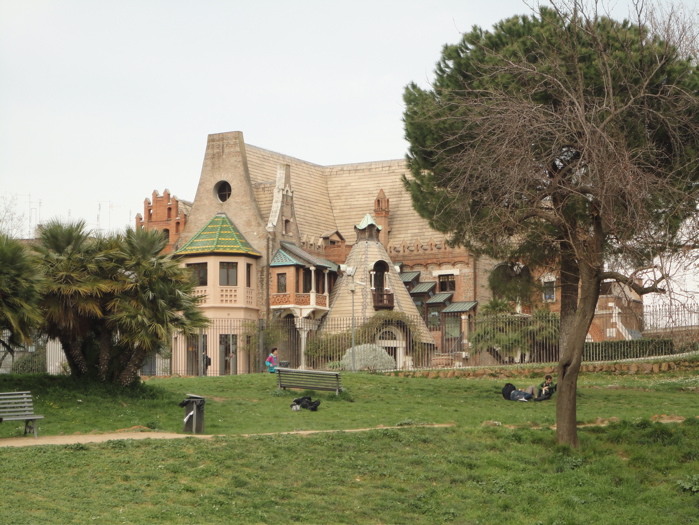
When we lived in Rome just a block away from our home was the Villa Torlonia, a great park which once was the summer home of the Princely Torlonia Family. The Torlonia family originally came from the Auvergne in France, bakers who had a contract to supply daily all the bread for the army of Napoleon Bonaparte. When the French Emperor invaded Italy he needed bread for his troops and le boulanger Marin deTorlonie supplied the bread. You can well imagined that he became very rich, very quickly, he had about one hundred thousand mouths to feed daily.
Marin de Torlonie changed his name to the more Italian sounding Marino Torlonia became a cloth merchant and banker in Rome, he was a clever fellow and he became Pope Pius VII banker who in turn bestowed upon him Nobility titles, making him Duke of Bracciano.
By 1860 when Garibaldi and Cavour united all of Italy into one single Kingdom the Torlonia family rivalled in wealth the Prince of Savoy now King of Italy.
Giovanni Torlonia son of Marino was now also Prince of Civitella Cesi and Duke of Poli e Guadangnolo. He married a rich German heiress and went on to build his summer home Villa Torlonia on Via Nomentana just a few yards outside the Porta Pia gate in what was then considered the countryside.
He also accumulated several other Palaces which the family still owns to this day, among them the
Torlonia-Giraud Palazzo on Via della Conciliazione which is the street leading to St-Peter's Basilica.
The Nunez-Torlonia Palazzo on Via Bocca di Leone, the Villa Albani on Viale Regina Margherita.
The Torlonia family married well, with branches in the Royal Family of Spain, Prince Alessandro Torlonia married the Infanta Beatriz of Spain. The current Prince is also a Gentleman of the Papal Court, the correct title is Prince Assistant to the Papal Throne. An honour shared with Prince Marcantonio Colonna.

When visiting Rome, the Villa Torlonia on Via Nomentana is worth a stop and a visit. It is famous for other reasons, it was between 1923 and 1943 the principal residence of Il Duce Benito Mussolini and his family. The Torlonia were prominent Fascists and the Prince rented out his palace and the park to the Duce for the annual symbolic sum of 1 Lira.

At the fall of Mussolini in July 1943 which was orchestrated by his son-in-law Count Ciano, the park and the palace of the Villa Torlonia where quickly abandoned has the population of Rome vented its anger by looting and burning the buildings. The ruins were used by the British Army for a few years. Then the park itself was simply open to the public, it was in a very sorry state, the buildings some were left with only charred remains and the great park was simply left unattended until 1998 when the city of Rome decided that it could no longer tolerate the situation. Prince Torlonia was convinced to give the property to the City since he did not wish to restore it himself. The complex sits in a fashionable area of Rome and it was decided to rehabilitate the whole by stages given the astronomical cost of re-building and cleaning it all.

From the beginning it was decided that the project was to show how a great Princely family lived in Rome in the mid-19th century. First the park was rehabilitate with new trees and flower beds, the various faux antique temples were cleaned and made safe. Then the library building was restored to house various exhibits of artists. The old stables were made into administrative buildings and the old Citrus tree hot house which has is built in a medieval style was turned into a restaurant and day care centre. The main house which was the residence of Il Duce was totally restored in the original baroque style in vogue when the Torlonia lived there before 1923. Only the bedroom of Mussolini and his wife is furnished. By 2007 the park was a very pleasant place to walk and sit quietly. The House of the Owls was also restored and re-opened.
What remained to be rebuilt was the old exotic plants hot house built in an ornate Moorish style at the bottom of the park and the great theatre. For both buildings funds from the European Union were secured given the complexity of the work at hand.

I remember both buildings in 2007 has being nothing more than a few dirty half demolished walls overtaken by weeds and plants. The theatre building was a wedding gift of Prince Alessandro Torlonia to his bride Princess Teresa Colonna. Building started in 1841 and only completed in 1874 it was only used once in 1905. The princess is buried in front of the theatre in the great column with her Urn sitting at the top. The original frescos where done by Constantino Brumidi who painted the frescos of the Capitol in Washington D.C.

The work on the theatre was very slow and laborious, the interior was richly decorated and the various artisans and artists had to reproduce what had existed in 1874. Using drawings, sketches and documentation on the building. The same for the Moorish Green House, which is a pastiche of what an Islamic style building would look like, remembering that at one time the Oriental style of decoration was very much all the rage in Europe.


By looking at those pictures of the restoration work, you can appreciate the incredible work and craftsmanship that went into re-building those buildings in the park of Villa Torlonia.
Below are the photos of the Moorish Green House at the bottom of the garden of the great park. Like all great houses, there was a need to have fresh flowers and citrus trees in quantity, lemon, orange, lime, pomegranate, flowering trees of all kinds and palms. In the warm months they would be scattered all around the park but in the colder months they would be brought to this building. The roof is all glass and the walls are coloured glass. This is quite a large building and the lavish decorations show that the owners could afford the best. By 2007 the building was a ruin, very little survived and it was difficult to imagine that it could be brought back to life. But as the pictures show, it was completely restored.


Marin de Torlonie changed his name to the more Italian sounding Marino Torlonia became a cloth merchant and banker in Rome, he was a clever fellow and he became Pope Pius VII banker who in turn bestowed upon him Nobility titles, making him Duke of Bracciano.
By 1860 when Garibaldi and Cavour united all of Italy into one single Kingdom the Torlonia family rivalled in wealth the Prince of Savoy now King of Italy.
Giovanni Torlonia son of Marino was now also Prince of Civitella Cesi and Duke of Poli e Guadangnolo. He married a rich German heiress and went on to build his summer home Villa Torlonia on Via Nomentana just a few yards outside the Porta Pia gate in what was then considered the countryside.
He also accumulated several other Palaces which the family still owns to this day, among them the
Torlonia-Giraud Palazzo on Via della Conciliazione which is the street leading to St-Peter's Basilica.
The Nunez-Torlonia Palazzo on Via Bocca di Leone, the Villa Albani on Viale Regina Margherita.
The Torlonia family married well, with branches in the Royal Family of Spain, Prince Alessandro Torlonia married the Infanta Beatriz of Spain. The current Prince is also a Gentleman of the Papal Court, the correct title is Prince Assistant to the Papal Throne. An honour shared with Prince Marcantonio Colonna.
Main gate entrance to Villa Torlonia on Via Nomentana
The Palazzo where Mussolini lived until 1943.
At the fall of Mussolini in July 1943 which was orchestrated by his son-in-law Count Ciano, the park and the palace of the Villa Torlonia where quickly abandoned has the population of Rome vented its anger by looting and burning the buildings. The ruins were used by the British Army for a few years. Then the park itself was simply open to the public, it was in a very sorry state, the buildings some were left with only charred remains and the great park was simply left unattended until 1998 when the city of Rome decided that it could no longer tolerate the situation. Prince Torlonia was convinced to give the property to the City since he did not wish to restore it himself. The complex sits in a fashionable area of Rome and it was decided to rehabilitate the whole by stages given the astronomical cost of re-building and cleaning it all.
The house of the Owls which is situated a few yards away from the Palace
What remained to be rebuilt was the old exotic plants hot house built in an ornate Moorish style at the bottom of the park and the great theatre. For both buildings funds from the European Union were secured given the complexity of the work at hand.
The theatre in ruins prior to the start of the restauration and re-building in 2007.
the theatre restored 2014
The work on the theatre was very slow and laborious, the interior was richly decorated and the various artisans and artists had to reproduce what had existed in 1874. Using drawings, sketches and documentation on the building. The same for the Moorish Green House, which is a pastiche of what an Islamic style building would look like, remembering that at one time the Oriental style of decoration was very much all the rage in Europe.
the semi-circular glass gallery facing south and used as an indoor garden
the amphitheatre area
The side corridors leading to the amphitheatre, decorated in Roman Imperial style
The ballroom in the Palazzo.
Below are the photos of the Moorish Green House at the bottom of the garden of the great park. Like all great houses, there was a need to have fresh flowers and citrus trees in quantity, lemon, orange, lime, pomegranate, flowering trees of all kinds and palms. In the warm months they would be scattered all around the park but in the colder months they would be brought to this building. The roof is all glass and the walls are coloured glass. This is quite a large building and the lavish decorations show that the owners could afford the best. By 2007 the building was a ruin, very little survived and it was difficult to imagine that it could be brought back to life. But as the pictures show, it was completely restored.
Front of the Moorish House
Side wall of the Moorish style green house.